
Building Comfort and Confidence Through Sensory Integration
Supportive, structured sensory experiences designed to help children process the world with greater ease, balance, and self-regulation.
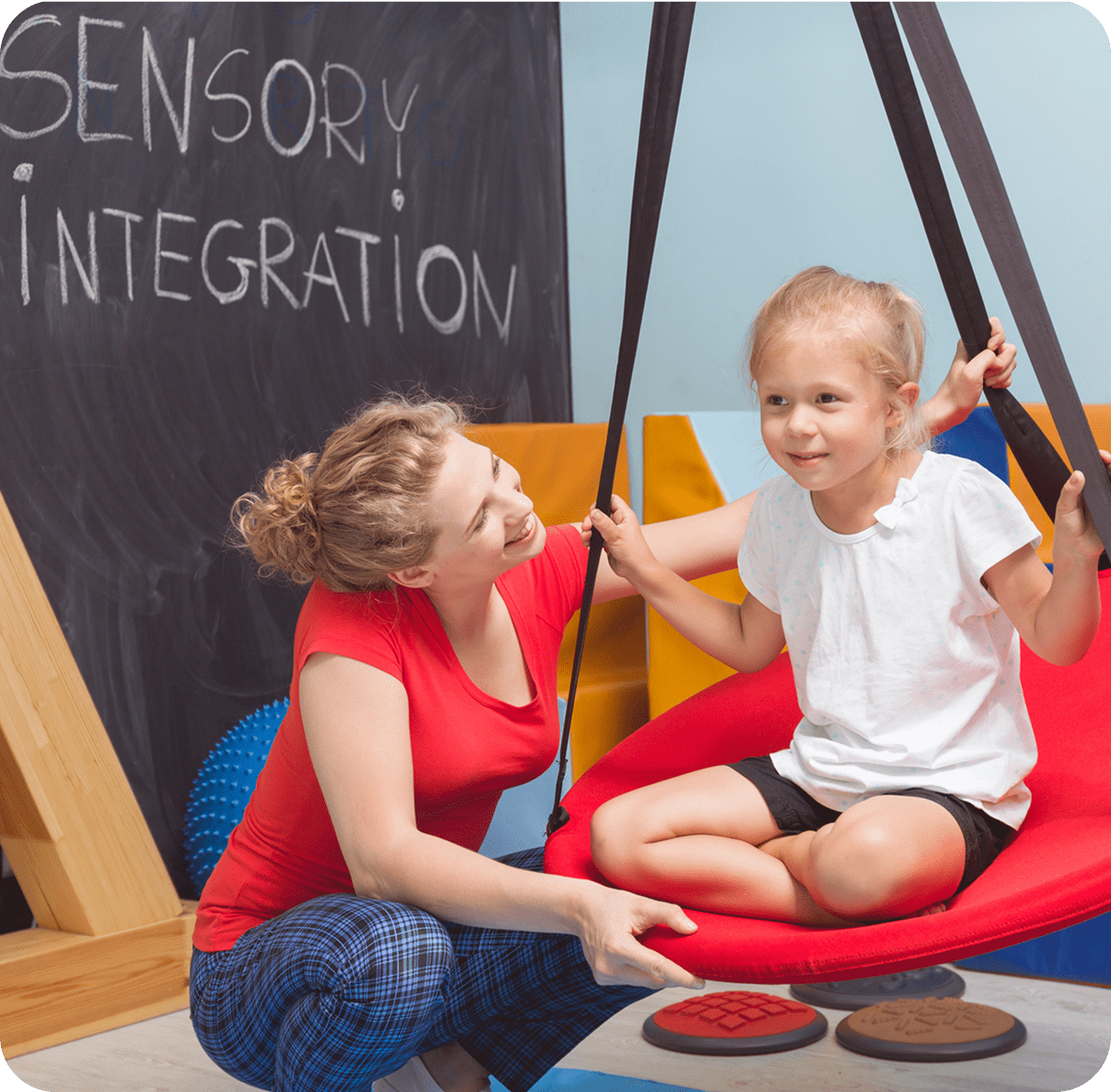
Understanding Sensory Processing in Children
Sensory processing refers to how the brain receives, organizes, and responds to information from the environment. When this system is over- or under-responsive, everyday experiences can feel overwhelming or difficult to interpret.
Our sensory integration therapy sessions are structured, supportive, and development-focused, helping children build regulation skills, confidence, and functional independence through guided sensory experiences and movement-based activities.
When Everyday Sensations Feel Overwhelming
Some children may become sensitive to sound, touch, movement, or visual input, while others may actively seek intense sensory experiences such as spinning, crashing, or constant movement.
These differences in sensory processing can impact:

Potential Outcomes of Sensory Integration Therapy
Improved Self-Regulation
Helps children develop calmer, more organized responses to sensory input and everyday challenges.
Enhanced Motor Development
Supports balance, coordination, posture, and overall body awareness.
Greater Participation in Daily Life
Builds comfort with routines, play, learning environments, and social interaction.
Increased Confidence and Independence
Encourages steady progress that helps children feel more capable in daily activities.
Establish a Balanced Path Forward
Our goal is to support each child in developing the internal regulation and sensory stability needed to move through daily life with greater comfort, confidence, and independence.
We work closely with families to create individualized therapy plans that are both clinically guided and compassionately delivered.